
Dental Crowns After Root Canal Therapy: Why They’re Often Needed
Blog:Dental Crowns After Root Canal Therapy: Why They’re Often Needed
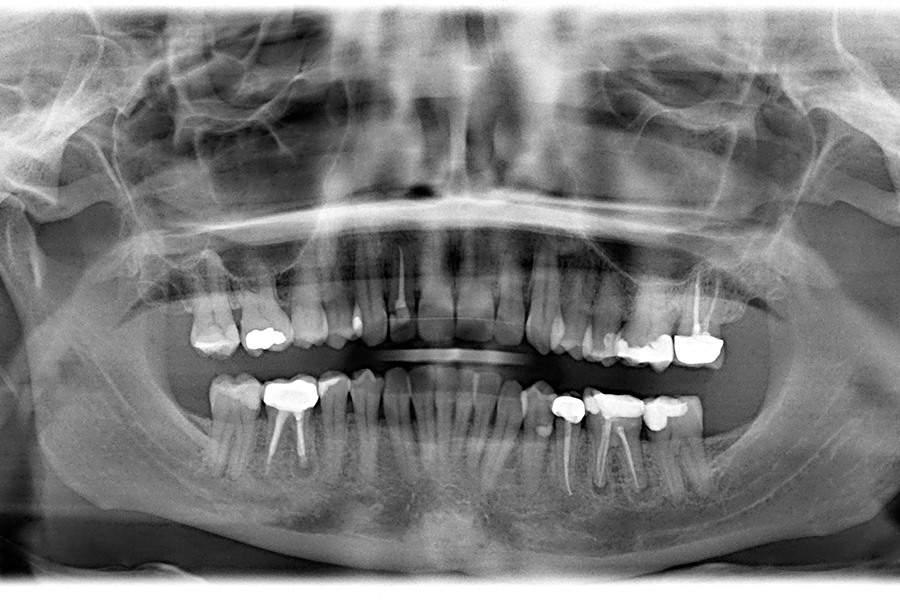
If you've recently undergone or been recommended for a root canal, you may have also heard that a dental crown is the next step in restoring your tooth. Many patients wonder: Why do I need a crown after a root canal? Isn’t the root canal enough?
At Smile Maker Implant & General Dentistry in Elk Grove, CA, Dr. Mohamed Soliman often answers this exact question. While a root canal treats infection and saves your tooth from extraction, it doesn't make your tooth invincible. In fact, a tooth that's undergone root canal therapy often becomes more fragile, making a crown not just helpful—but often essential.
In this blog, we’ll explore why dental crowns are commonly placed after root canal treatment, what benefits they offer, what the process looks like, and how this final step in the journey ensures your smile stays healthy and strong.
What Happens During a Root Canal?
Root canal therapy is designed to remove infection from the innermost part of your tooth—called the pulp. This pulp contains nerves, blood vessels, and connective tissue that can become inflamed or infected due to deep decay, cracks, or trauma.
Here’s a simplified breakdown of the root canal process:
- Cleaning: Dr. Soliman removes the infected or dead pulp from inside the tooth.
- Shaping: The root canals are cleaned, shaped, and disinfected.
- Filling: The empty space is filled with a biocompatible material (usually gutta-percha) to prevent further infection.
- Sealing: The opening is sealed, either temporarily or permanently, to protect the tooth.
While this process removes infection and saves the tooth structure, it doesn’t fully restore the tooth’s strength or durability. That’s where a dental crown comes in.
Why Is a Dental Crown Often Needed After a Root Canal?
Root canal-treated teeth are different from natural, vital teeth. Once the pulp is removed, the tooth no longer receives nourishment and sensory feedback. Here are the key reasons why a crown is often essential:
- Weakened Tooth Structure
Removing the pulp and inner material of the tooth leaves it hollow and less able to withstand biting forces. The tooth becomes brittle over time, increasing the risk of fracture—especially for molars and premolars that handle heavy chewing.
- Preventing Fractures
Without a crown, root canal-treated teeth are at a much higher risk of cracking or breaking. Once a tooth fractures below the gum line, it may no longer be salvageable and might require extraction.
- Restoring Full Function
A dental crown encases the entire visible portion of the tooth, restoring its shape, size, and function. You’ll be able to chew, bite, and speak with confidence again—without worrying about damaging the tooth.
- Sealing Out Bacteria
Even after root canal therapy, there’s still a risk of reinfection if bacteria enter the tooth through cracks or gaps. A crown provides a tight seal, helping to prevent leakage and future decay.
- Aesthetic Restoration
Crowns are customized to match the shape, size, and color of your natural teeth. If your root canal-treated tooth is discolored or damaged, a crown also helps restore its appearance and blend seamlessly with your smile.
Are Crowns Always Necessary After a Root Canal?
Not always. There are some exceptions:
- Front teeth (incisors and canines) may not need crowns if they’re structurally sound and not subjected to heavy chewing forces.
- In some cases, a tooth-colored filling may be sufficient—especially if the tooth is small, minimally damaged, or doesn't show significant structural loss.
However, Dr. Mohamed Soliman will assess each tooth on a case-by-case basis at Smile Maker Implant & General Dentistry. The location of the tooth, extent of damage, and bite alignment are all considered before recommending a crown.
The Process of Getting a Dental Crown After a Root Canal
At our Elk Grove practice, getting a dental crown after a root canal typically involves the following steps:
- Initial Assessment
After your root canal is completed, Dr. Soliman will evaluate the condition of your tooth and determine if a crown is necessary. This includes checking for cracks, decay, and structural stability.
- Tooth Preparation
To make room for the crown, a small amount of tooth enamel is removed. This ensures the crown will fit snugly over your natural tooth without looking bulky.
- Impression and Shade Matching
We take a detailed impression of your tooth and surrounding bite. The crown is custom-fabricated to match your natural tooth color and shape, so it blends in perfectly.
- Temporary Crown Placement
While your permanent crown is being crafted at a dental lab, a temporary crown is placed to protect the tooth and maintain function.
- Permanent Crown Placement
Once your crown is ready—typically in 1–2 weeks—you’ll return to have it securely bonded to your tooth. Dr. Soliman checks the fit, bite, and aesthetics before finalizing the placement.
Types of Crowns Used After Root Canal
There are several types of dental crowns available, and the best one for you depends on where the tooth is located and your personal preferences:
- Porcelain-Fused-to-Metal (PFM) Crowns
These offer a blend of strength and aesthetics. The metal base ensures durability, while the porcelain overlay mimics natural tooth color.
- All-Ceramic or All-Porcelain Crowns
Ideal for front teeth, these crowns offer the most natural appearance and are metal-free, which is good for patients with metal sensitivities.
- Zirconia Crowns
These are incredibly strong and highly biocompatible. They are ideal for molars and patients who grind their teeth.
- Gold Crowns
Gold crowns are extremely durable and wear-resistant but less aesthetically pleasing. They’re often used for back teeth where appearance is less critical. Contact us to learn more!
Life After a Root Canal and Crown
Once your crown is in place, your tooth is well-protected and fully functional. Most patients experience the following benefits:
- Pain relief from the original infection
- Improved chewing ability
- Enhanced appearance of the smile
- Prevention of future damage to the tooth
With proper care, your crown can last 10–15 years or longer. The key is consistent oral hygiene and regular dental visits.
Caring for a Crowned Tooth
To get the most out of your crown, follow these care tips:
- Brush twice a day with fluoride toothpaste.
- Floss daily, especially around the crown, to prevent plaque buildup.
- Avoid chewing hard objects, such as ice or pens, which can crack your crown.
- Wear a nightguard if you grind your teeth.
- Visit Dr. Soliman regularly for check-ups and cleanings.
Why Choose Smile Maker Implant & General Dentistry in Elk Grove, CA?
At our modern dental office in Elk Grove, Dr. Mohamed Soliman and his experienced team are committed to restoring your oral health with precision and care. Whether you're receiving a root canal, crown, or both, you can trust us to deliver:
- Advanced, evidence-based treatment
- Personalized care tailored to your needs
- Comfortable and anxiety-free procedures
- High-quality, long-lasting restorations
Your smile is our priority—from the first visit to the final crown placement.
Conclusion
A root canal saves your tooth. A crown protects it.
After root canal therapy, your tooth becomes more fragile and vulnerable to fracture. By placing a dental crown, Dr. Soliman ensures that your treated tooth stays strong, functional, and beautiful for many years to come.
If you’ve recently had a root canal or suspect you might need one, don’t delay the next step. Contact Smile Maker Implant & General Dentistry in Elk Grove, CA, and schedule your consultation with Dr. Mohamed Soliman. We’ll walk you through your treatment options and help you protect your smile for life.
Root canal therapy is a highly effective procedure to save a severely damaged or infected tooth. If you experience symptoms of a tooth infection, visit Smile Maker Implant & General Dentistry at 9340 W Stockton Blvd., Suite 100, Elk Grove, CA 95758, US, or call (916) 683-5732 to explore your treatment options, including the potential need for root canal therapy.
Quick Links
Helpful Articles
article_category: products
article_category: psychiatry
article_category: faqs
article_category: cats
article_category: general
article_category: services
article_category: technology
article_category: dogs
article_category: restorative
article_category: vision therapy
article_category: contact lenses
article_category: health
article_category: conditions
article_category: eye surgery co-management
article_category: exotic
article_category: cosmetic
article_category: surgical procedures
article_category: aesthetics
article_category: preventative
article_category: ocular disease management
article_category: eyeglasses
article_category: eye health
article_category: large animal
[]
article_category: psychiatry
article_category: faqs
article_category: cats
article_category: general
article_category: services
article_category: technology
article_category: dogs
article_category: restorative
article_category: vision therapy
article_category: contact lenses
article_category: health
article_category: conditions
article_category: eye surgery co-management
article_category: exotic
article_category: cosmetic
article_category: surgical procedures
article_category: aesthetics
article_category: preventative
article_category: ocular disease management
article_category: eyeglasses
article_category: eye health
article_category: large animal
[]
Flowbite is an open-source library of interactive components built on top of Tailwind CSS including buttons, dropdowns, modals, navbars, and more.
Check out this guide to learn how to get started and start developing websites even faster with components on top of Tailwind CSS.
All Dental Services
We offer a wide variety of dental services to the Elk Grove community. Contact us with any questions about our services.
Keep In Touch
For non-urgent questions or to learn more about our services, contact us today!
Quick Links
Our Services
Contact Info
- 9340 W. Stockton Blvd. Ste 100
Elk Grove, CA 95758 - Phone: (916) 683-5732
- Fax: (916) 683-3164
Hours of Operation
- Monday 8:00am - 5:00pm
- Tuesday 9:00am - 6:00pm
- Wednesday 8:00am - 5:00pm
- Thursday 9:00am - 6:00pm
- Friday 8:00am - 5:00pm
- Selected Saturday 8:00 am - 2:00 pm
- Sunday Closed
- *Walk-Ins Welcome
- Monday
- Tuesday
- Wednesday
- Thursday
- Friday
- Saturday
- Sunday
- Monday
- Tuesday
- Wednesday
- Thursday
- Friday
- Saturday
- Sunday
© 2026 Smile Maker Implant & General Dentistry. All rights Reserved -
Accessibility Statement
-
Privacy Policy
-
Sitemap
Managed and Designed by 