
Why Fall Allergies and Cold Weather in Elk Grove Are Causing Sudden Tooth Sensitivity
Blog:Why Fall Allergies and Cold Weather in Elk Grove Are Causing Sudden Tooth Sensitivity

If your teeth suddenly feel more sensitive as the weather cools down, you are not alone. Fall in Elk Grove can bring cooler temperatures, seasonal allergies, dry air, and changes in daily habits that may make tooth sensitivity more noticeable. At Smile Maker Implant & General Dentistry, we help patients identify what is causing their discomfort so we can recommend the right treatment and protect their oral health.
Why Cold Weather Can Make Teeth Hurt
Teeth contain tiny pathways that connect the outer layers of the tooth to sensitive nerves inside. When enamel becomes worn or gums recede, these pathways can become exposed.
Cooler fall air in Elk Grove may trigger a sharp sensation when you breathe through your mouth or drink something cold. Temperature changes do not necessarily cause the underlying dental problem, but they can make existing sensitivity easier to notice.
Common reasons teeth become sensitive include:
Worn or thinning tooth enamel
Gum recession that exposes tooth roots
Cavities or damaged dental fillings
Cracked or chipped teeth
Teeth grinding or clenching
Gum inflammation
Frequent exposure to acidic foods and drinks
How Fall Allergies May Affect Tooth Sensitivity
Seasonal allergies can also contribute to dental discomfort. Nasal congestion often causes people to breathe through their mouths more frequently, which can reduce saliva and leave the mouth feeling dry. Saliva helps protect teeth by washing away food particles and neutralizing acids.
Allergy-related sinus pressure can also create discomfort that feels like it is coming from the upper teeth. Because the roots of the upper back teeth are located close to the sinus cavities, inflammation and pressure may create aching or sensitivity even when the teeth themselves are healthy.
If tooth pain continues after allergy symptoms improve, however, it is important to have the area examined.
When Sensitivity Could Signal a Dental Problem
Occasional sensitivity to cold air or beverages may be mild, but persistent or worsening symptoms should not be ignored. Tooth sensitivity can sometimes be an early warning sign of decay, a damaged restoration, enamel erosion, gum recession, or an infection.
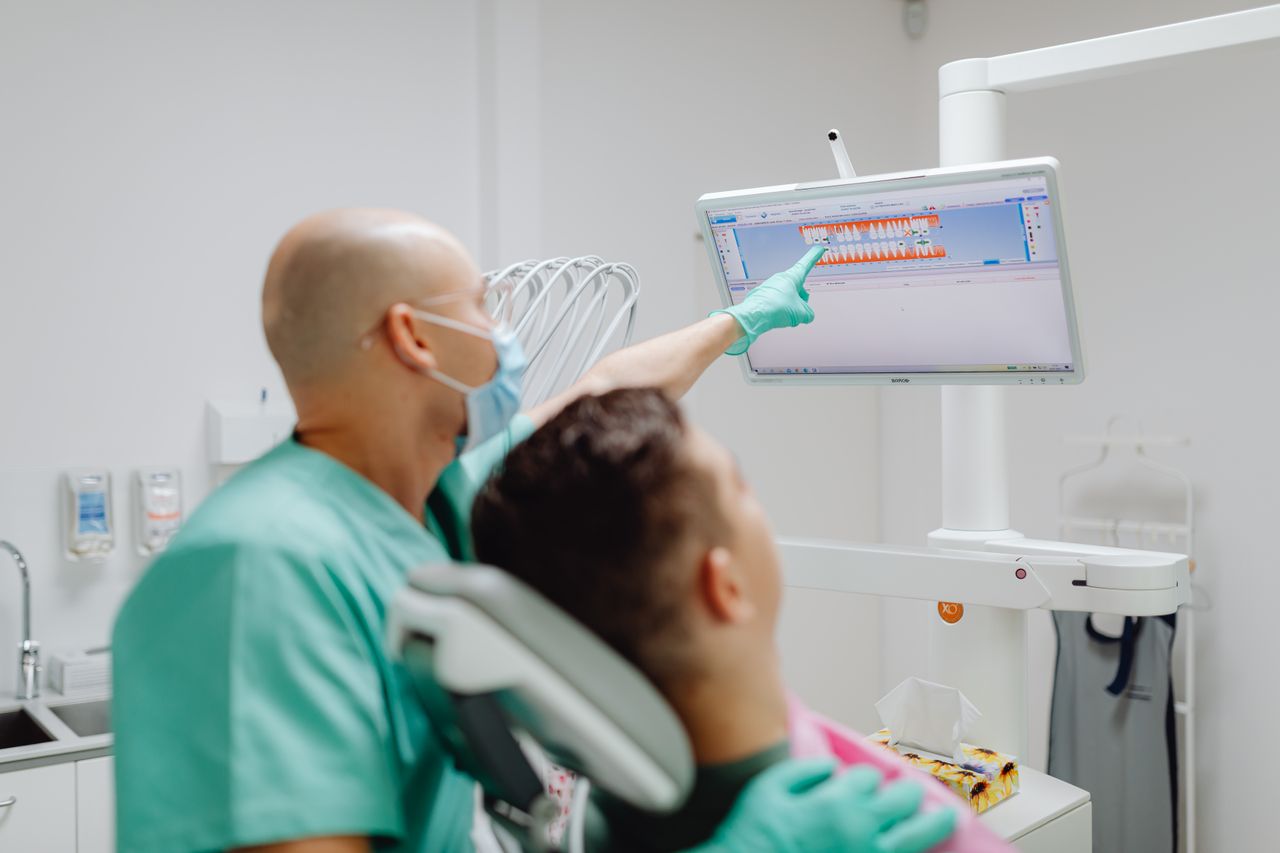
At our Elk Grove dental office, we can examine the tooth, gums, and existing restorations to determine what is causing the sensitivity. Depending on what we find, treatment may involve preventive care, a dental filling, repairing a damaged tooth, addressing gum health, or another restorative option.
Our practice provides preventive, general, family, and restorative dentistry to help patients maintain healthy teeth and address problems before they become more extensive.
Protecting Sensitive Teeth This Fall
Using a soft-bristled toothbrush, brushing gently with fluoride toothpaste, and avoiding excessive acidic foods can help protect enamel. If you grind or clench your teeth, particularly at night, let us know during your appointment. Identifying the cause of sensitivity is more effective than simply avoiding cold foods or waiting for the discomfort to disappear.
If fall weather or seasonal allergies are making your teeth suddenly sensitive, schedule an evaluation with Smile Maker Implant & General Dentistry in Elk Grove, CA. Visit us at 9340 W. Stockton Blvd., Ste. 100, Elk Grove, CA 95758, or call (916) 683-5732 to schedule your appointment.
Quick Links
Helpful Articles
article_category: restorative
article_category: vision therapy
article_category: contact lenses
article_category: health
article_category: conditions
article_category: eye surgery co-management
article_category: exotic
article_category: cosmetic
article_category: products
article_category: psychiatry
article_category: faqs
article_category: cats
article_category: general
article_category: services
article_category: technology
article_category: dogs
article_category: surgical procedures
article_category: aesthetics
article_category: preventative
article_category: ocular disease management
article_category: eyeglasses
article_category: eye health
article_category: large animal
[]
Flowbite is an open-source library of interactive components built on top of Tailwind CSS including buttons, dropdowns, modals, navbars, and more.
Check out this guide to learn how to get started and start developing websites even faster with components on top of Tailwind CSS.
All Dental Services
We offer a wide variety of dental services to the Elk Grove community. Contact us with any questions about our services.
Keep In Touch
For non-urgent questions or to learn more about our services, contact us today!
Quick Links
Our Services
Contact Info
- 9340 W. Stockton Blvd. Ste 100
Elk Grove, CA 95758 - Phone: (916) 683-5732
- Fax: (916) 683-3164
Hours of Operation
- Monday 8:00am - 5:00pm
- Tuesday 9:00am - 6:00pm
- Wednesday 8:00am - 5:00pm
- Thursday 9:00am - 6:00pm
- Friday 8:00am - 5:00pm
- Selected Saturday 8:00 am - 2:00 pm
- Sunday Closed
- *Walk-Ins Welcome
- Monday
- Tuesday
- Wednesday
- Thursday
- Friday
- Saturday
- Sunday
- Monday
- Tuesday
- Wednesday
- Thursday
- Friday
- Saturday
- Sunday
© 2026 Smile Maker Implant & General Dentistry. All rights Reserved -
Accessibility Statement
-
Privacy Policy
-
Sitemap
Managed and Designed by 